
Professor Emeritus – independent art expert,
court-appointed expert and specialist in academic provenance research
JOHAN SWINNEN
FINE ART ART EXPERT
Prof. Emeritus Dr Johan Swinnen is an independent art expert and court-appointed expert. He provides valuations, academic provenance research, inventories, collection advice, verifiable expert reports and expert opinions for collectors, museums, families, solicitors, notaries, insurers, banks, institutions and courts.
Board member of ARGUS Art Experts • Member of ABEX • Member of KGSO-CEJA • Member of AICA Belgium • Working member of UNESCO/CICOP • Member of the Admissions Committee for Art and Antiques for Court Experts (Belgium)
Selection from works studied
This selection of images is not a complete gallery, but a representative overview of works of art and objects that I, as an art historian, independent art expert and court-appointed expert, am able to study, document and appraise. It demonstrates the breadth of my expertise: from Old Masters to modern and contemporary art, from prints and photography to sculpture, design, heritage objects and collections. Every investigation is conducted with academic rigour, discretion and attention to provenance, authenticity, condition and market context.
Prof.Emeritus Dr Johan Swinnen is an independent art expert, academic researcher and court-appointed expert, specialising in the study, documentation, valuation and art-historical contextualisation of works of art, collections, antiques, photography and heritage objects.
His practice is founded on academic rigour, independent judgement, methodological research and strict professional ethics. Each assignment is approached through a combination of visual analysis, art-historical study, academic provenance research, market comparison, contextual analysis and legal due diligence.
Professor Swinnen does not engage in art dealing himself. He does not act as a seller, broker or commercial intermediary. His role is independent, advisory, documentary and expert. This enables him to assist clients without any conflict of interest and with the necessary objectivity required for a serious expert report.
His clients rely on his discretion. Private collections, museums, family estates, estates, insurance files and court-ordered assignments are always treated confidentially. Trust, intellectual rigour and professional discretion form the basis of every collaboration
.Expertise
Expertise
The practice specialises in works of art and objects ranging from antiquity to contemporary art, with a particular focus on painting, drawing, printmaking, modern and contemporary art, photography, visual art, sculpture, object art, antiques, applied arts, heritage objects and private collections.
Every valuation is bespoke. A single work of art requires a different approach to a complete collection, an insurance claim, a legal dispute, an estate or a family division. The essence, however, remains the same: a well-founded, verifiable and professional judgement.
A good valuation is not a matter of impression. It is the result of observation, knowledge, comparison, caution and methodical reasoning.


Academic provenance research
An important part of our practice is academic provenance research, often referred to internationally as 'provenance research'.
This involves investigating what is known about the provenance, ownership history, documentation, exhibition history, publications, collection context, possible transfers and cultural significance of a work of art or collection.
Provenance research is essential today. Not only for authenticity and valuation, but also for legal certainty, insurance, inheritance, preparation for sale, museum relevance and ethical assessment.
Professor Swinnen approaches provenance research from his academic background in art history, visual culture and heritage studies. The question is not only where a work of art comes from, but also what history, layers of meaning and responsibilities it carries with it.

Valuation of works of art
Valuations are carried out for private owners, collectors, heirs, solicitors, notaries, insurers, banks, family offices, museums and institutions.
The valuation may relate to actual value, market value, insurance value, replacement value, value in the context of an estate or distribution, value in the event of damage, theft or loss, or indicative sale value.
The value of a work of art does not exist in the abstract. It is linked to the purpose of the valuation. A work may be approached differently in the context of insurance, inheritance, family division, damage, preparation for sale, donation, taxation or legal expertise.
For this reason, the first step in every commission is to determine which concept of value is relevant. The valuation is then based on visual inspection, art-historical analysis, academic provenance research, available documentation and relevant market data.
Moreover, a valuation is a snapshot in time. The art market evolves under the influence of quality, rarity, condition, provenance, exhibition history, publications, supply and demand, international interest and the economic context.
Methodology

Methodology
Every assignment begins with an initial assessment of the request, the available information and the intended use of the expertise.
Depending on the case, the methodology includes:
visual inspection of the artwork or collection
photographic documentation
analysis of signature, technique, material, condition and dimensions
art-historical context
academic provenance research
examination of available documents, invoices, certificates or publications
comparison with relevant market data
preparation of a record, inventory, valuation or expert report
Where certainty is possible, this is clearly stated. Where caution is warranted, this is correctly indicated. A serious expert report distinguishes between observation, interpretation, probability and hypothesis.

Independence and professional ethics
Independence is at the heart of any credible art expertise.
Professor Swinnen does not work on behalf of auction houses, galleries, commissions, or as a buyer's or seller's agent. He does not deal in art himself and avoids any form of conflict of interest.
Professional ethics are not merely a formality, but a professional attitude. They require detachment, discretion, diligence, methodical scepticism and respect for the limits of expert judgement.
An expert must not say what the client wants to hear, but what can be responsibly stated on the basis of research, experience and comparison.

Discretion and trust
Discretion is fundamental.
Art ownership often touches on family wealth, personal history, estate planning, legal sensitivities, insurance matters and private collecting culture. That is why all assignments are treated with the strictest confidentiality.
As an art expert often gains access to private homes, private rooms, storage facilities, safes, family documents and confidential stories, discretion is not merely a courtesy but a core requirement of the profession.
Photographs, documents, valuations, owners' names, addresses, collection details and research data are not shared without the client's consent.
For private collectors, banks, insurers, solicitors, notaries and families, this confidentiality is not a mere formality, but an absolute prerequisite for professional collaboration.
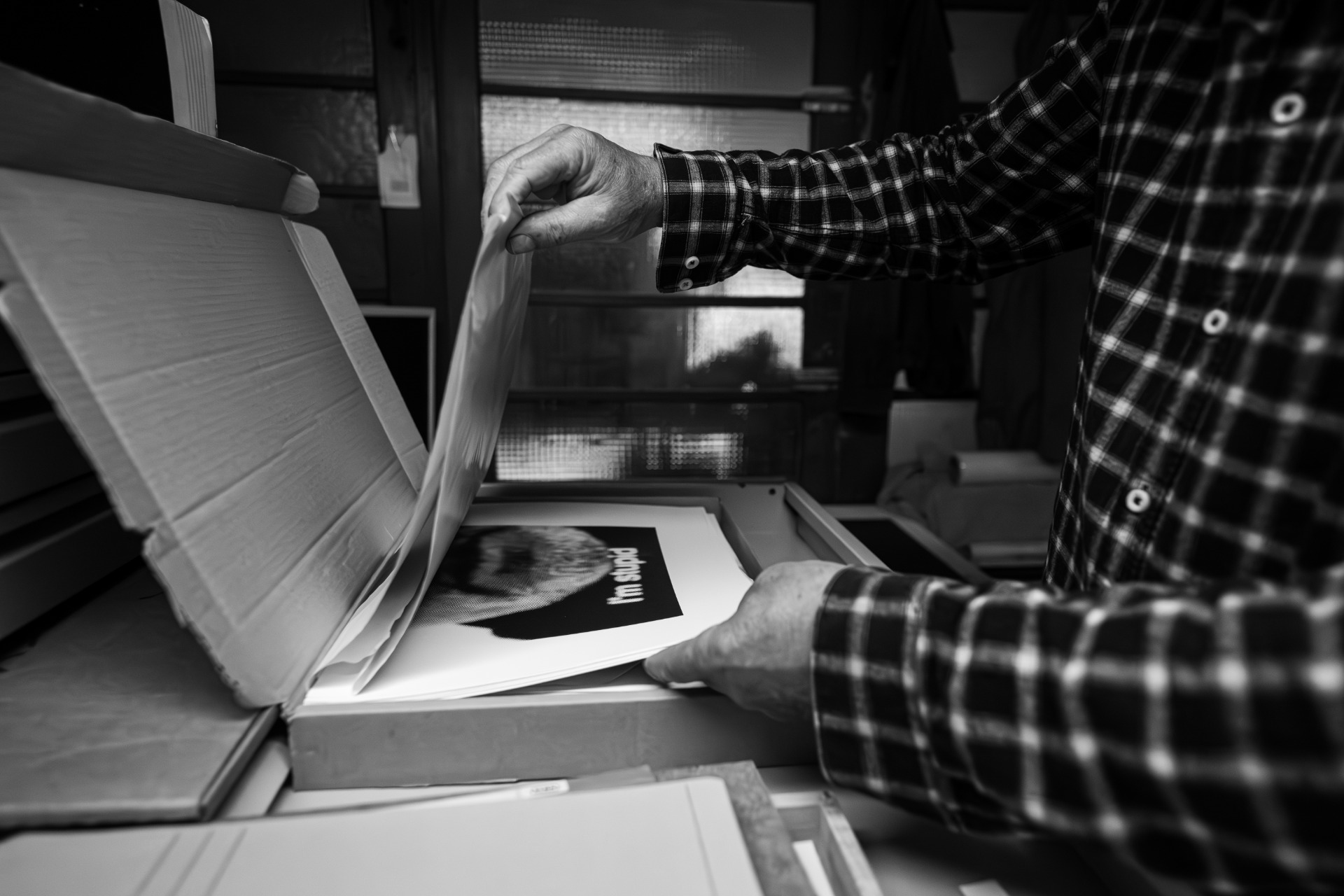
Inventory and documentation of collections
A collection is more than just the sum of its parts. It often constitutes an intellectual, family, financial and emotional heritage.
Professor Swinnen compiles inventories and descriptive records of art collections, focusing on the artist, title, technique, dimensions, date, signature, condition, provenance, documentation, context and valuation.
This inventory can be used for insurance, estate planning, donations, preparation for sale, family division, storage or institutional transfer.
For larger collections, the expertise can go beyond a mere valuation of each object. Professor Swinnen also advises on documentation, conservation, revaluation, insurability, estate planning, donations, loans, potential museum relevance and the thematic coherence of a collection.
After all, a collection is not merely a financial asset. It is also a cultural, familial and intellectual entity that must be carefully described, preserved and, where necessary, updated.
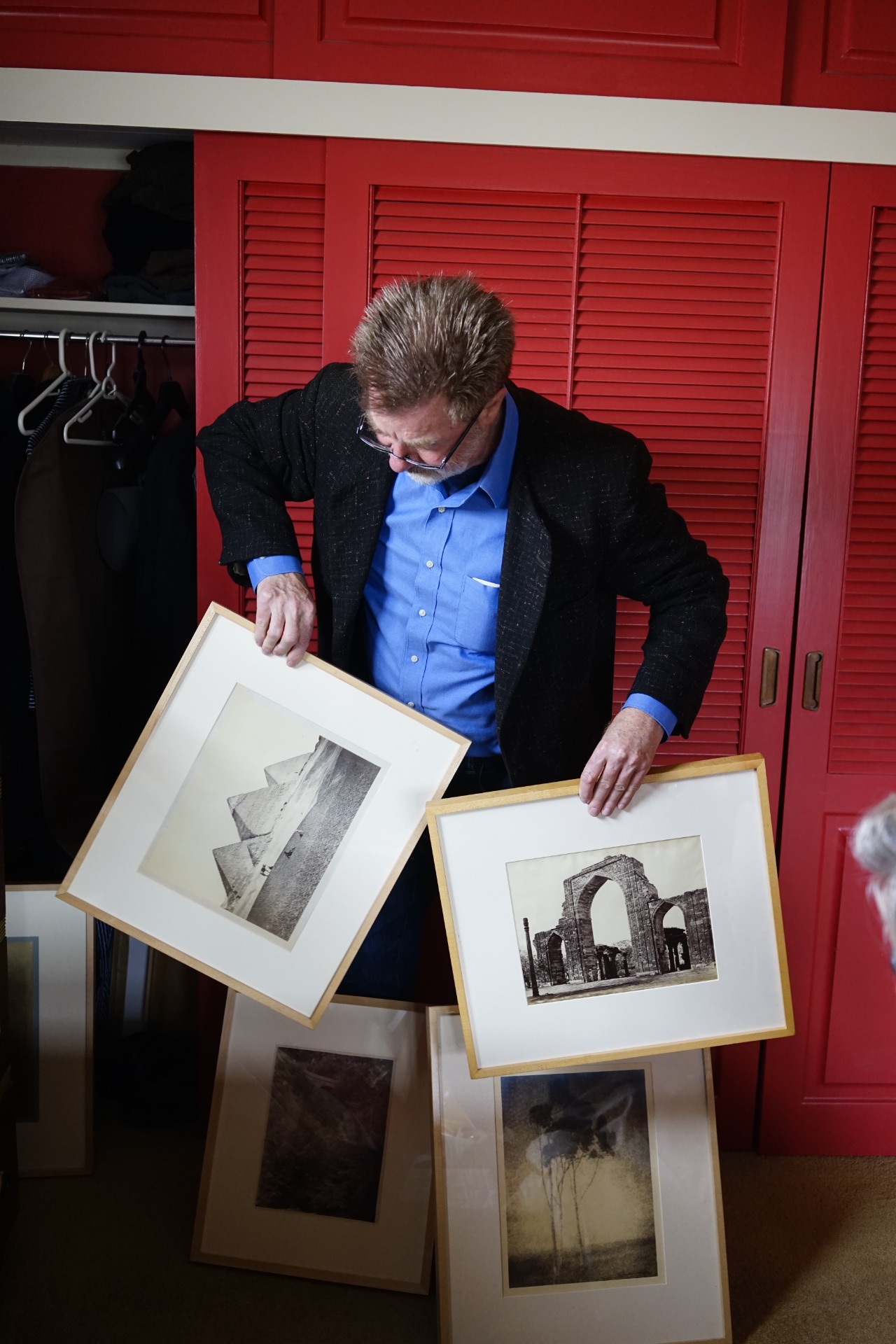
Forensic Expertise
As a court-appointed expert, Professor Swinnen provides independent and thoroughly substantiated expert reports in cases relating to art and heritage.
Forensic expertise requires more than just knowledge of art. It demands methodological clarity, procedural awareness, objectivity, the ability to withstand cross-examination, precise wording and ethical vigilance.
In every case, the expert opinion is limited to what research, observation and documentation responsibly permit.
The report always distinguishes between observation, interpretation, hypothesis and valuation. As a result, the expert opinion remains not only substantively substantiated but also professionally verifiable.
Well-founded and verifiable reporting
An expert report must not only formulate a conclusion, but also demonstrate how that conclusion was reached.
That is why every expert report focuses on the factual findings, the sources used, the visual analysis, the art-historical context, the provenance data, the market comparison and the limitations of the assessment.
This makes the report verifiable and assessable. It clarifies which facts, observations and points of comparison lead to a particular valuation or conclusion. This is essential for private owners, but also for solicitors, notaries, insurers, banks and courts.
Advice for collectors and families
Collectors, families and private clients can seek discreet and independent advice on purchasing decisions, preparing for sale, storage, transfer, insurance, donation or repositioning of works of art and collections.
Professor Swinnen does not provide commercial sales advice based on commercial interests, but rather an independent, substantive and strategic assessment of quality, authenticity, market position, provenance, documentation, presentation and future value.

Insurance, claims and estates
In cases involving insurance claims, fire, water damage, theft, estates or the division of family assets, a clear and reliable expert report is essential.
A distinction is made between actual value, market value, insured value, replacement value and any depreciation. This distinction is important for owners, insurers, solicitors, notaries and courts.
The aim is always to produce a report that is substantively sound, practically useful and legally comprehensible.